
Garden Oasis Blog
Explore expert tips on houseplants, perennials, stylish planters, and decor to create a botanical paradise in your home. Whether you're a beginner or a seasoned gardener, find inspiration and guidance to cultivate your green oasis.
Winter in Bloom: Plants That Thrive When the Cold Sets In
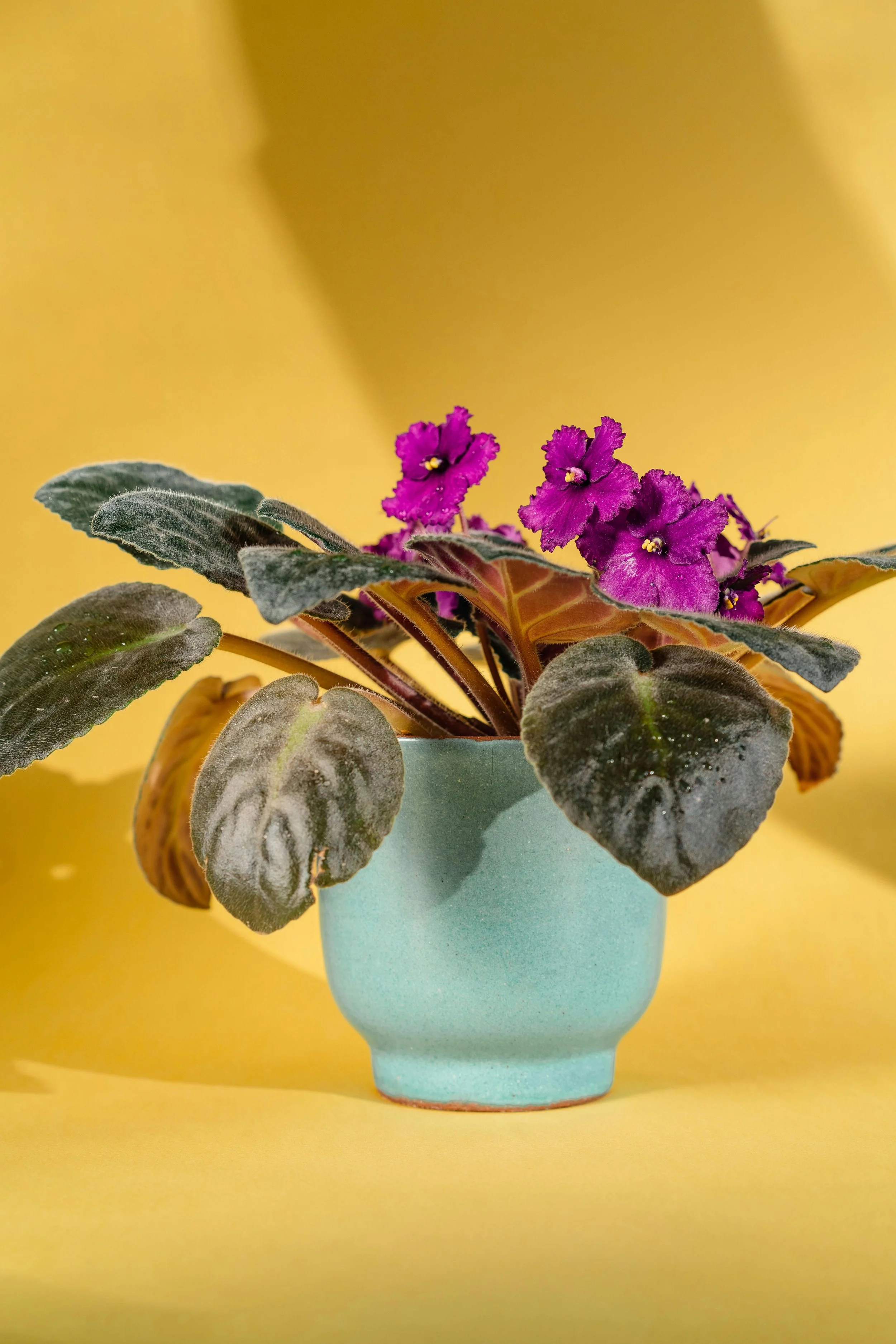
Winter is often perceived as a dormant season for gardens, but many plants and flowers reach their peak precisely when temperatures drop and daylight shortens. Winter-blooming plants provide structure, color, and interest at a time when most landscapes appear quiet. Whether grown outdoors in mild climates or indoors as houseplants, these species demonstrate that winter can be one of the most rewarding seasons for plant enthusiasts.
Top Organic Fertilizers & Soil Amendments
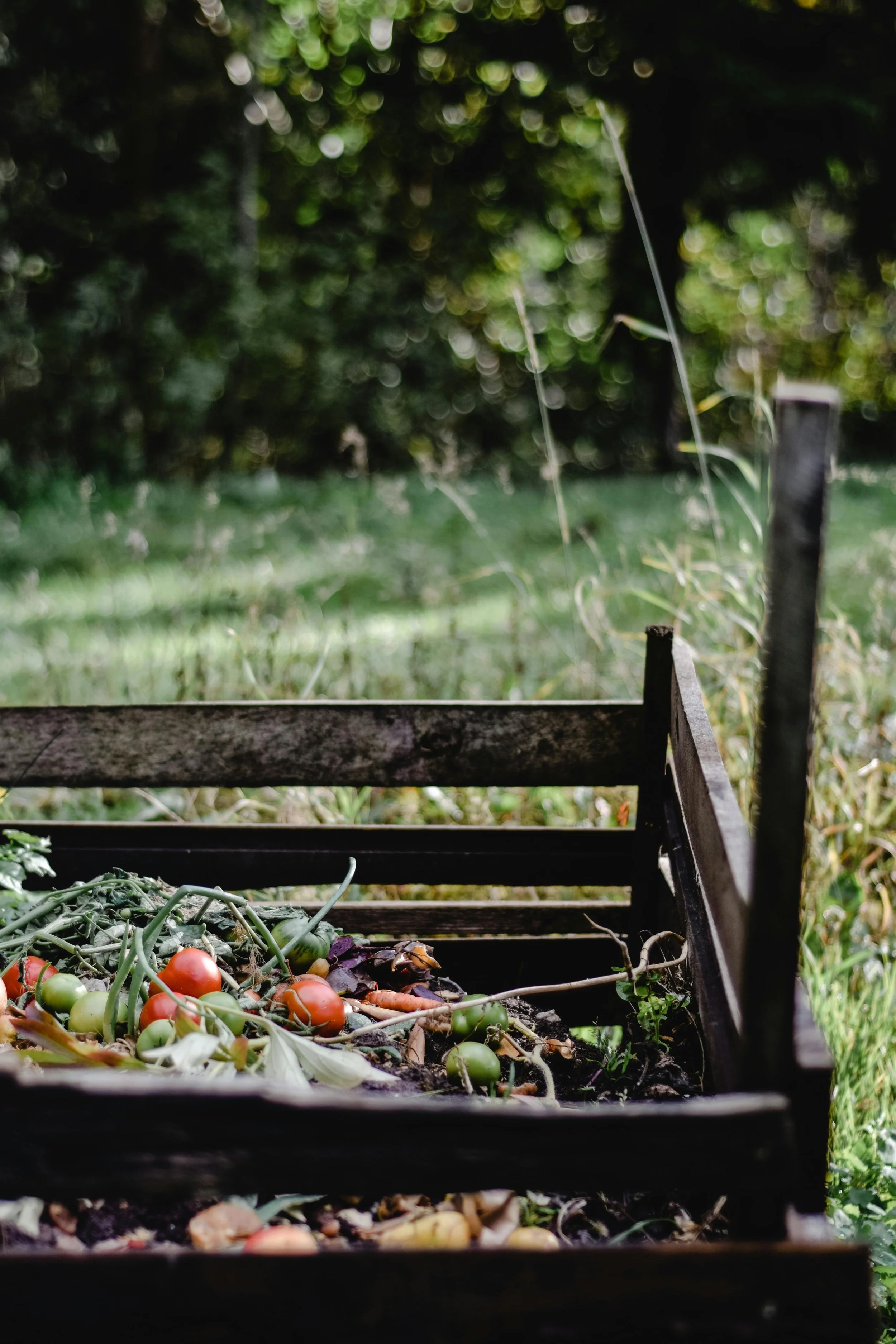
Choosing the best organic fertilizers and soil amendments depends on your specific soil needs, plant requirements, and gardening goals. Here are some popular organic options that can improve soil fertility and support healthy plant growth.
FAQ: What should I do if my plant leaves are turning yellow?
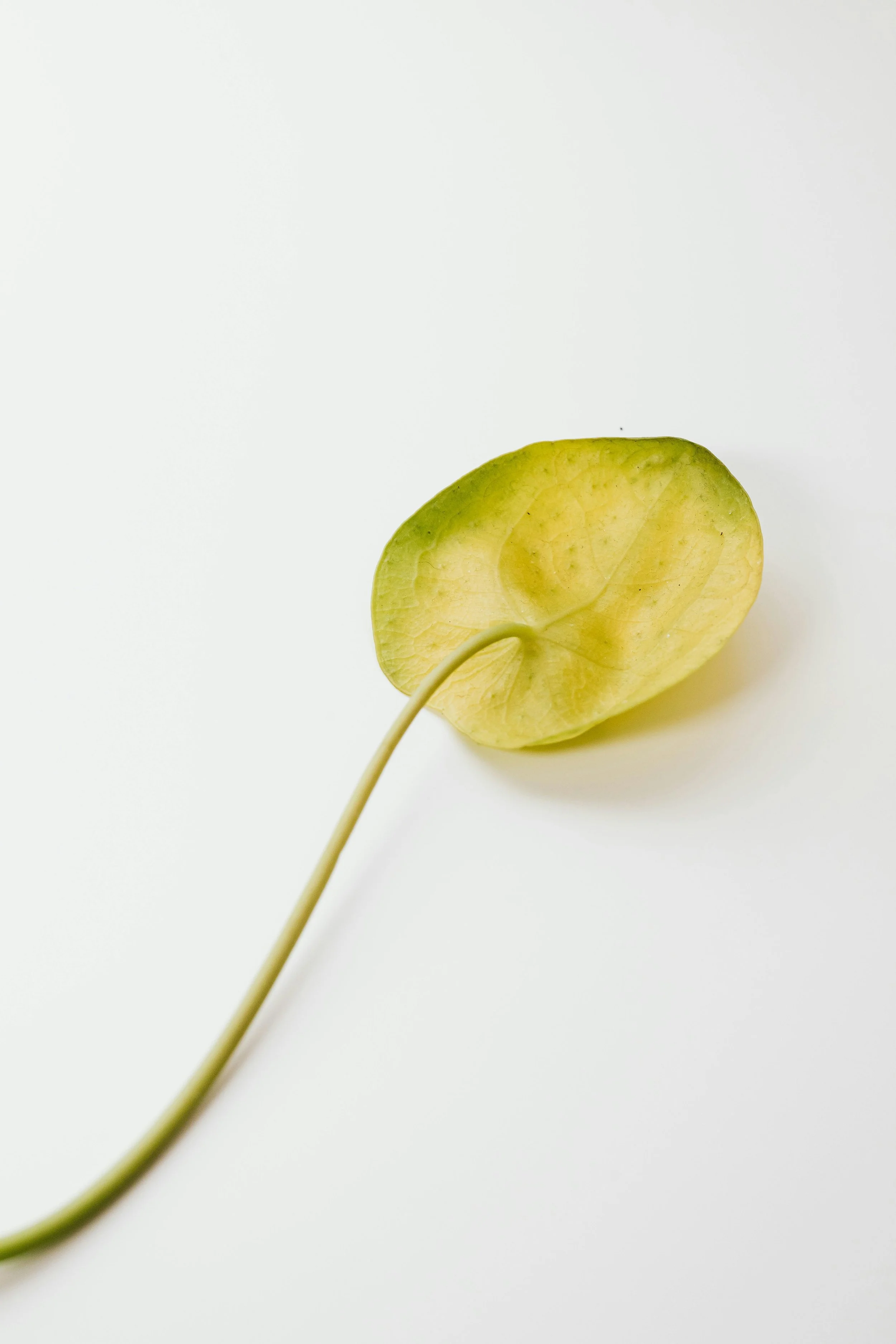
Yellowing leaves are one of the most common signs that a plant is under stress. While an occasional yellow leaf can be part of a plant’s natural growth cycle, widespread or persistent yellowing usually indicates an underlying issue that needs attention. The key is identifying the cause early so you can correct it before more serious damage occurs.
Here are the most common reasons plant leaves turn yellow, and what you can do to fix them.
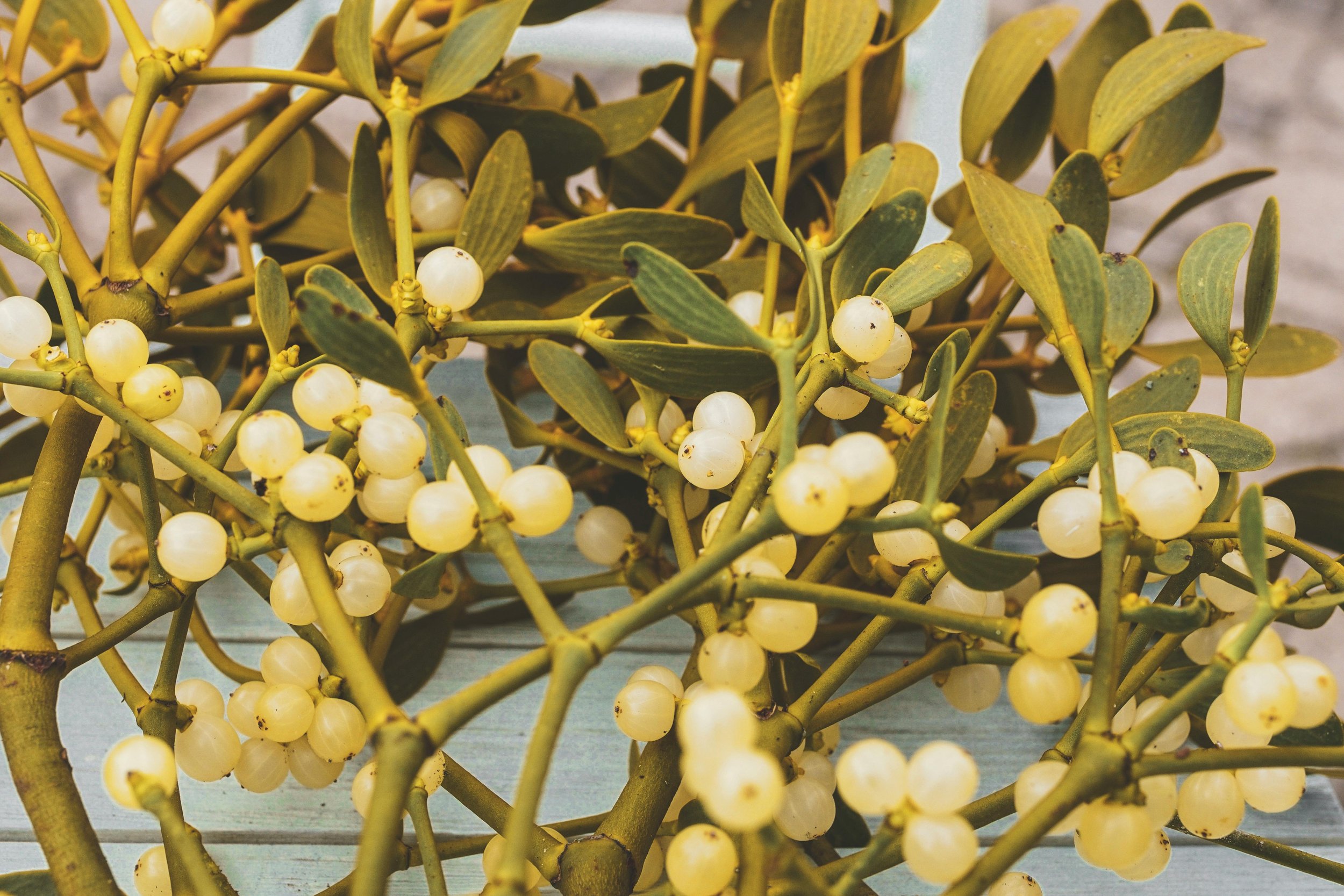
Mistletoe and New Year’s Eve: A Holiday Mix-Up Explained
If you have ever seen mistletoe hanging at a New Year’s Eve party and felt a little confused, you are not alone. Mistletoe is strongly connected to kissing and romance, but its real history has much more to do with Christmas than with ringing in the new year.
So how did mistletoe become part of New Year’s celebrations? The answer is simpler than you might think.

Mastering Plant Propagation: A Comprehensive Guide
Plant propagation is the process of creating new plants from existing ones, whether through seeds, cuttings, division, or other methods. It's a rewarding practice that allows you to expand your garden, share plants with others, and preserve rare or favorite species. This comprehensive guide covers various propagation techniques and tips to successfully propagate a wide range of plants.
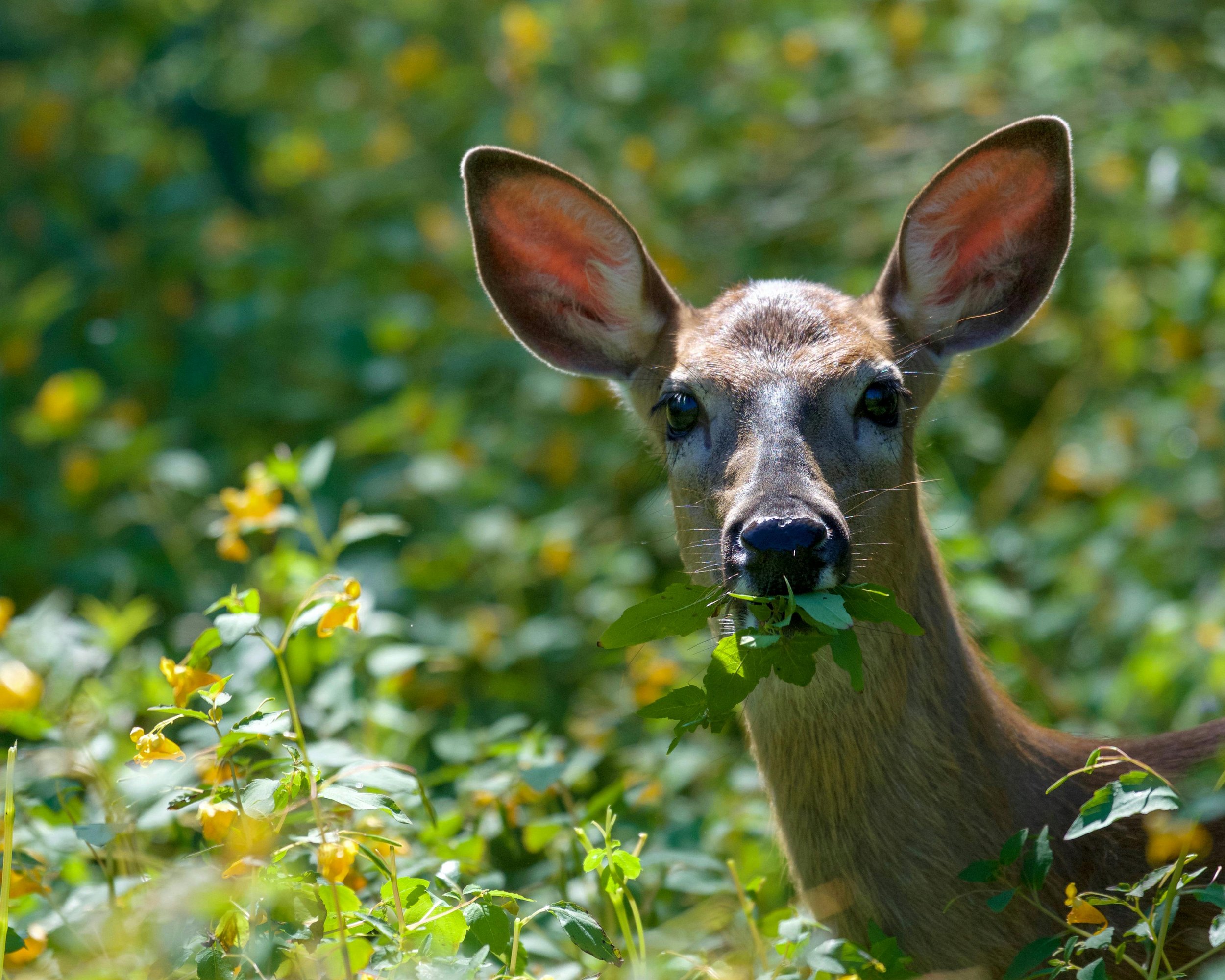
FAQ: What are some deer-resistant plants?
Deer-resistant plants are those that are less likely to be damaged or eaten by deer. However, it's important to note that no plant is completely deer-proof, especially if deer are hungry or in times of extreme scarcity. Here are some plants that are generally considered to be “deer-resistant”.
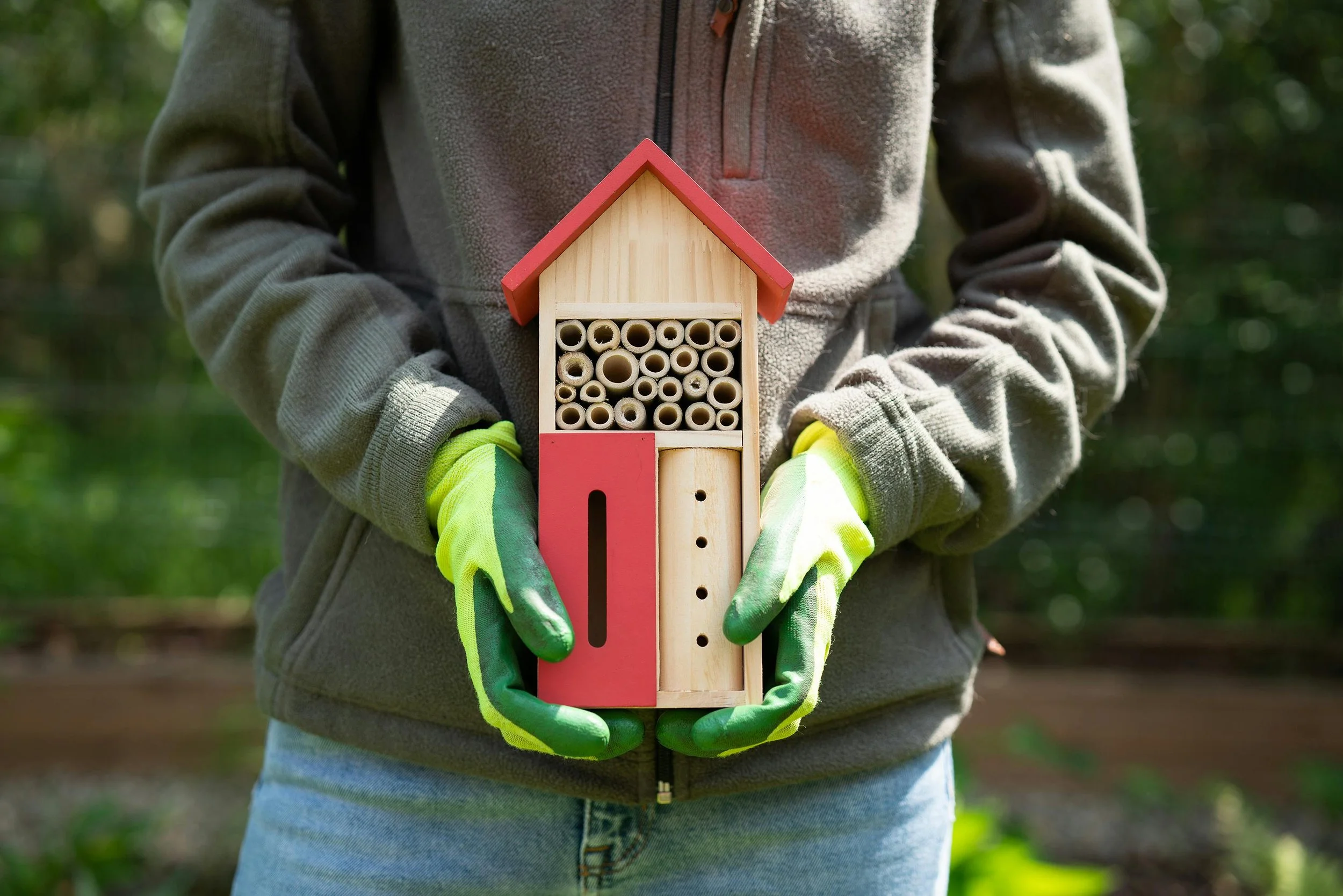
FAQ: How do I attract beneficial insects to my garden?
Attracting beneficial insects to your garden is a natural and effective way to control pests and promote a healthy ecosystem. Here are several strategies to encourage beneficial insects to visit and stay in your garden.
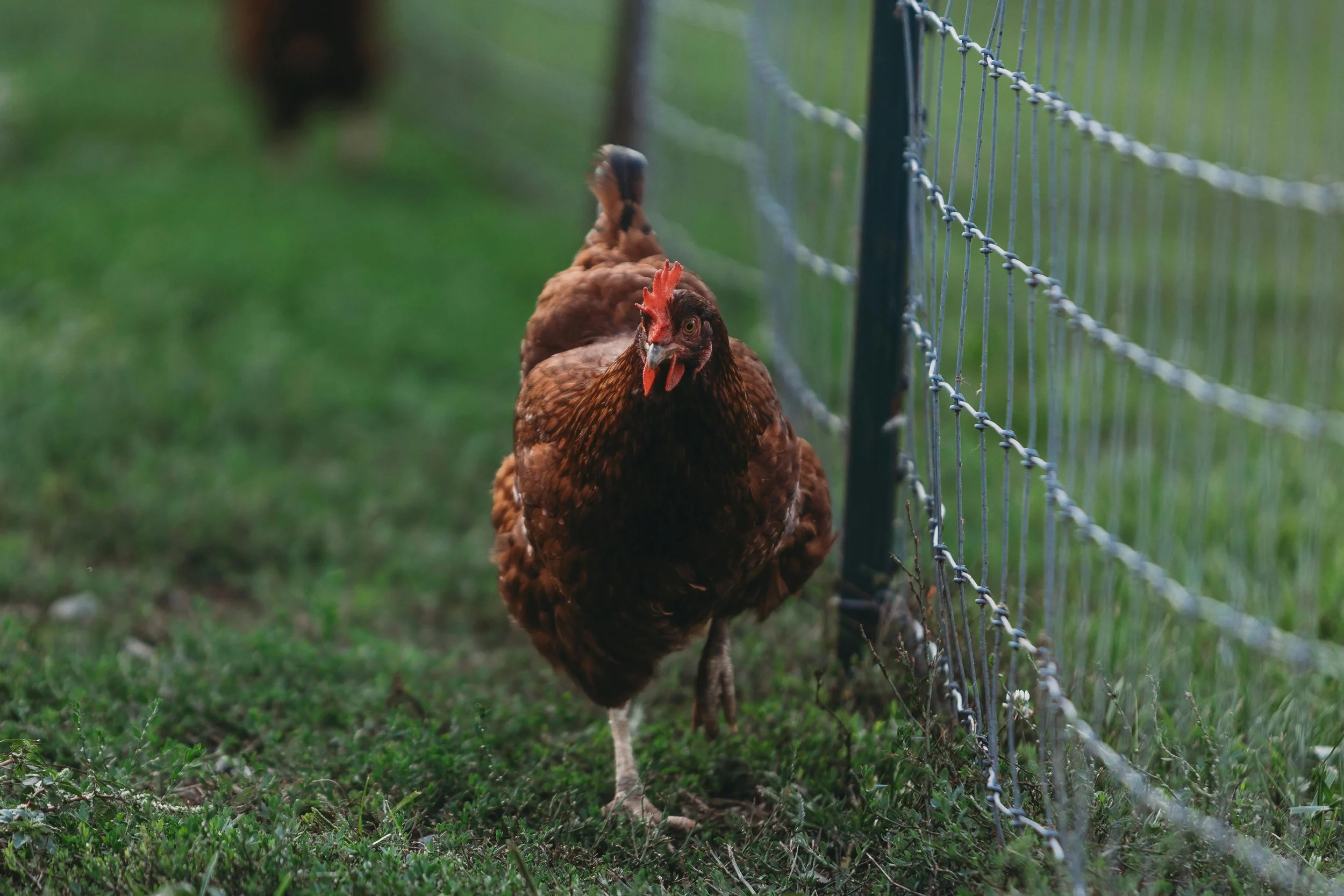
FAQ: How do I keep my pets out of my garden?
Keeping pets out of the garden can be a challenge, but there are several strategies you can try to deter them from entering or damaging your plants.

The Unsung Heroes of Your Garden: Why Earthworms Are a Gardener’s Best Friend
When most people think of garden helpers, they picture bees, butterflies, or compost bins—but one of the most powerful allies in your soil is often overlooked: the humble earthworm. These wriggling underground dwellers may not get much attention, but they work hard to improve your garden from the ground up. Let’s explore why you should welcome them with open arms (and nutrient-rich soil).

FAQ: How do I prune specific plants or trees?
Pruning specific plants or trees requires understanding their growth habits, flowering patterns, and the goals you have for their shape and health. Here are some general guidelines on how to prune different types of plants.

The Ultimate Guide to Preparing Your Garden for Winter
Preparing your garden for winter is one of the most important steps you can take to ensure a vibrant and healthy landscape come spring. As temperatures drop, your plants, soil, and structures need a little extra care to withstand the cold, wind, and frost. From cleanup to planning ahead, this comprehensive guide covers everything you need to know to winterize your garden effectively.

How to Get Rid of Moles in Your Yard and Garden: Effective Options to Try
If you've noticed raised ridges in your lawn, soft tunnels underfoot, or mounds of dirt scattered around your garden, chances are you're dealing with moles. These small, insect-eating mammals may look harmless (even cute to some), but their tunneling habits can wreak havoc on your yard by uprooting plants, damaging root systems, and creating unsightly messes.
Fortunately, there are several strategies—both natural and commercial—that you can try to discourage moles and reclaim your garden space. Here's a breakdown of the most effective options.
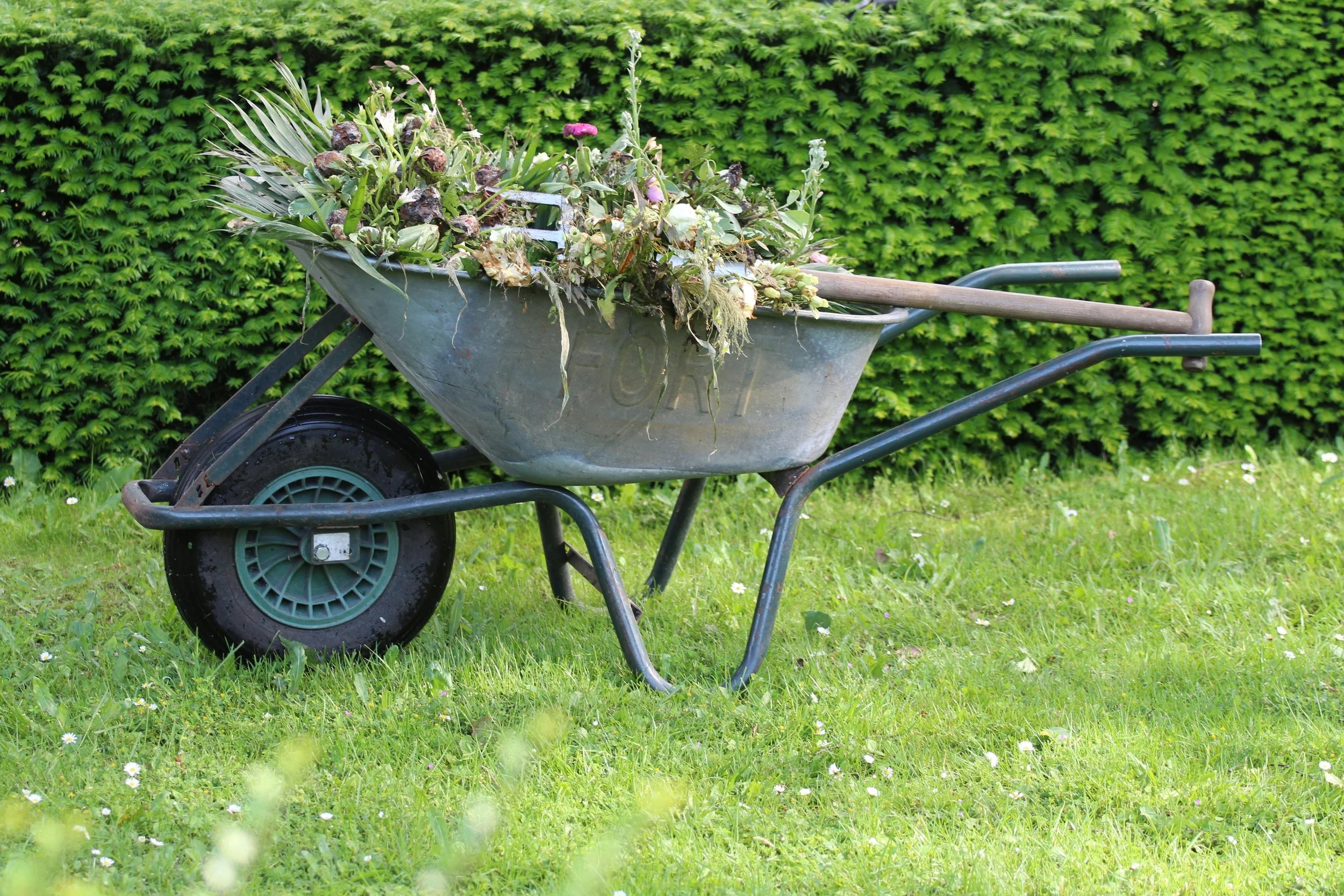
FAQ: What gardening tasks should I do each season?
Gardening tasks vary by season and can be essential for maintaining a healthy and thriving garden throughout the year. Here's a general guide on what gardening tasks to focus on each season.

FAQ: How and when do I plant flower bulbs?
Planting flower bulbs is one of the simplest ways to ensure a colorful, vibrant garden come spring or summer. Whether you're aiming for tulips, daffodils, crocuses, or dahlias, getting the timing, location, and technique right makes all the difference. Here’s everything you need to know for successful bulb planting—step-by-step.

Mastering Indoor Gardening: Enhancing Growth with Light Tents and Grow Rooms
Indoor gardening has evolved far beyond simple windowsill pots. Light tents and grow rooms offer an effective way to grow healthy plants year-round by maximizing light and creating stable conditions. Whether you're growing a few herbs or managing a larger setup, these tools can significantly improve your results.

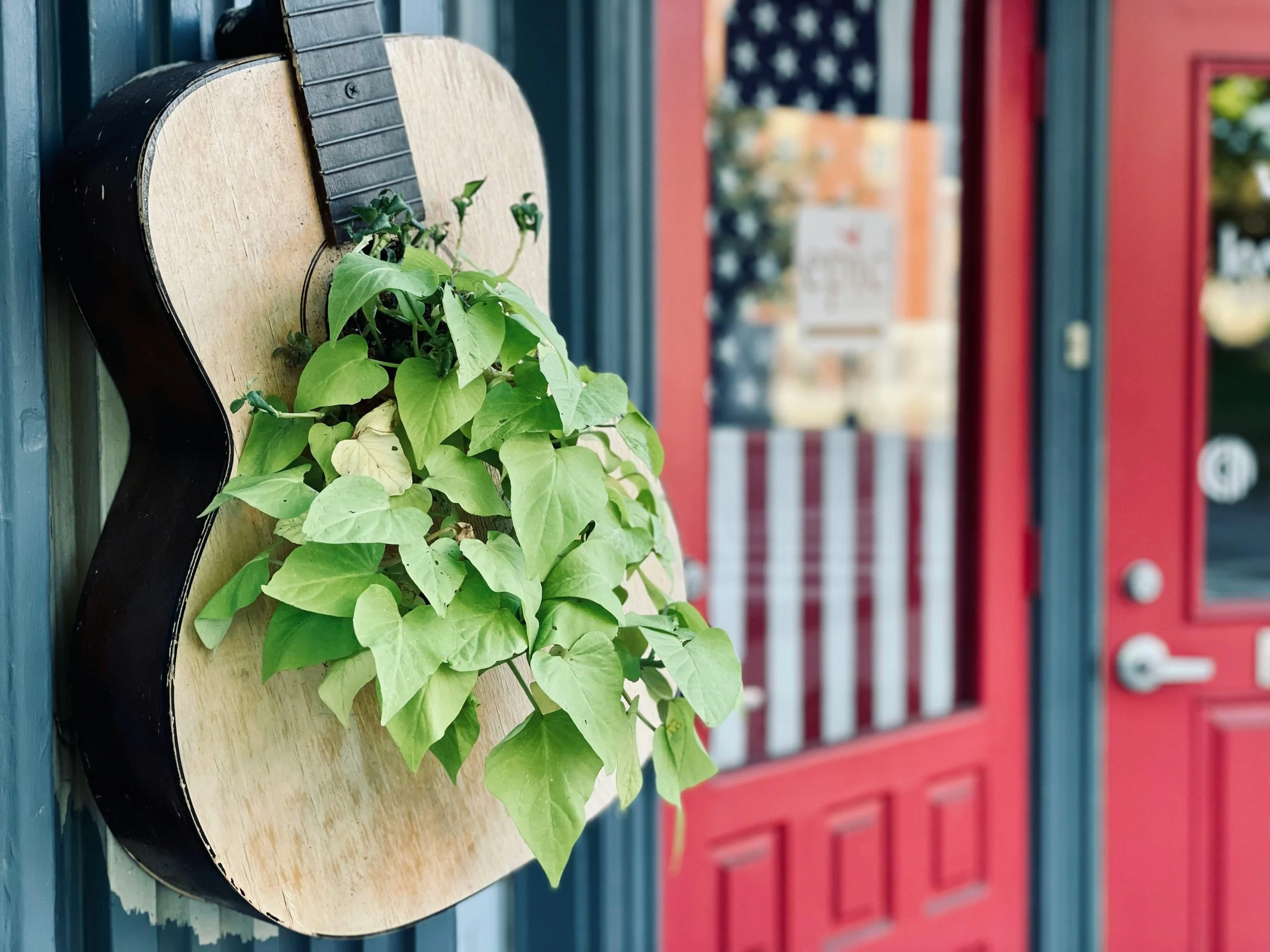
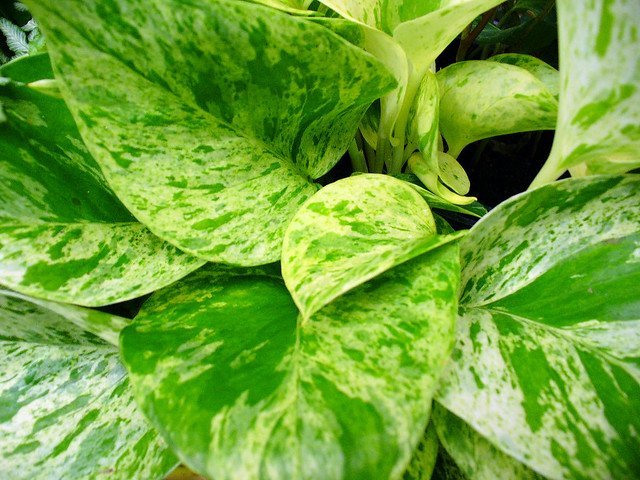
FAQ: What is the difference between pothos and philodendron?
Pothos and philodendron are two popular houseplants that are often mistaken for one another due to their similar vining growth and heart-shaped leaves. However, there are key differences between the two. Let’s take a look.