

Winter in Bloom: Plants That Thrive When the Cold Sets In
Winter is often perceived as a dormant season for gardens, but many plants and flowers reach their peak precisely when temperatures drop and daylight shortens. Winter-blooming plants provide structure, color, and interest at a time when most landscapes appear quiet. Whether grown outdoors in mild climates or indoors as houseplants, these species demonstrate that winter can be one of the most rewarding seasons for plant enthusiasts.
Why Plants Bloom in Winter
Winter bloomers have evolved to take advantage of reduced competition for pollinators and resources. In some regions, winter rains provide ideal growing conditions, while cooler temperatures reduce stress on certain species. Indoors, many popular winter-flowering plants respond to shorter days and stable temperatures by producing buds and blooms.
Notable Outdoor Winter Bloomers
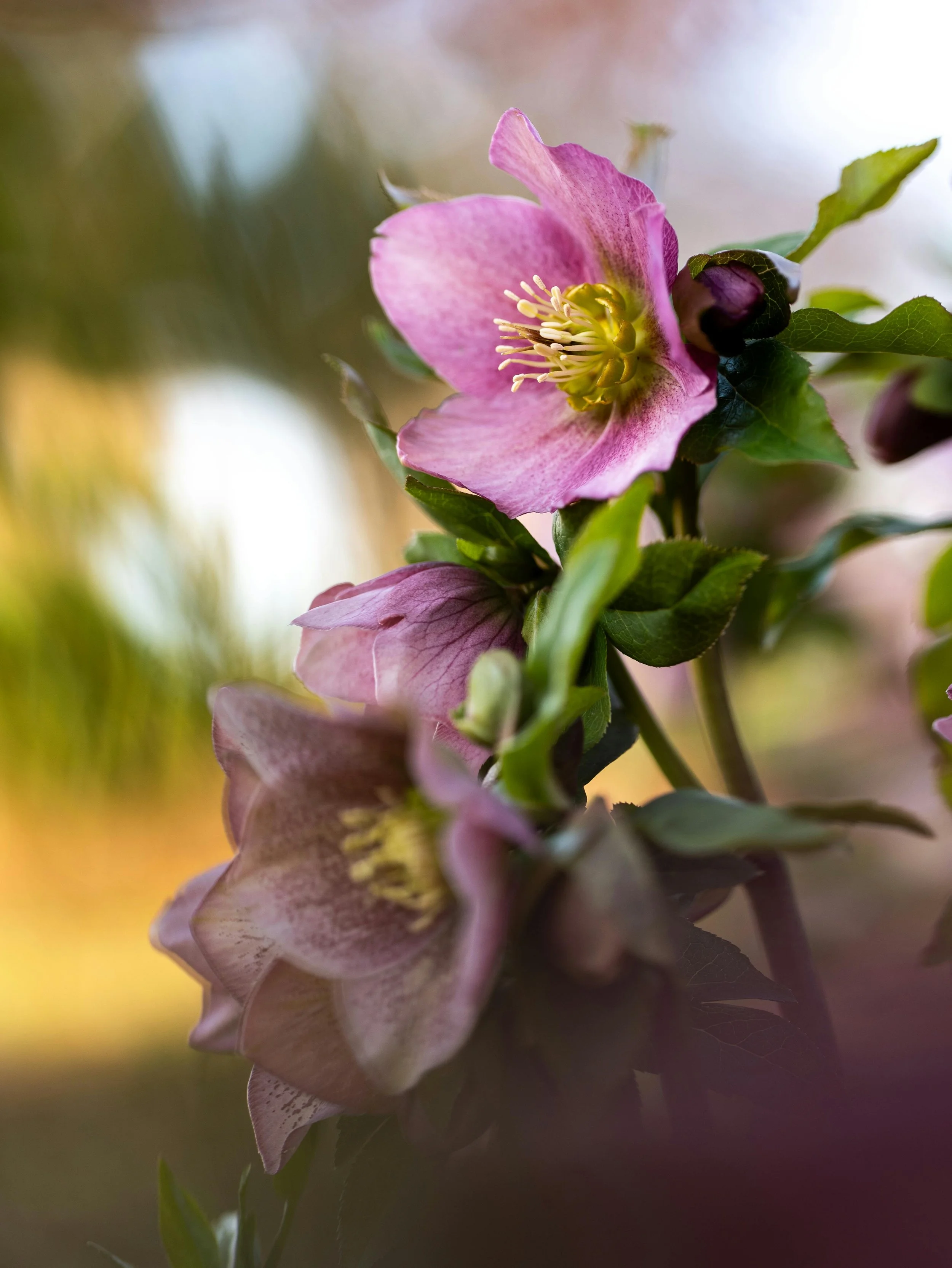
Hellebores (Lenten Rose)
Hellebores are among the most reliable winter perennials. They bloom from late winter into early spring, often pushing flowers through snow. Their nodding blooms come in shades of white, pink, burgundy, and green, and their evergreen foliage provides year-round interest.
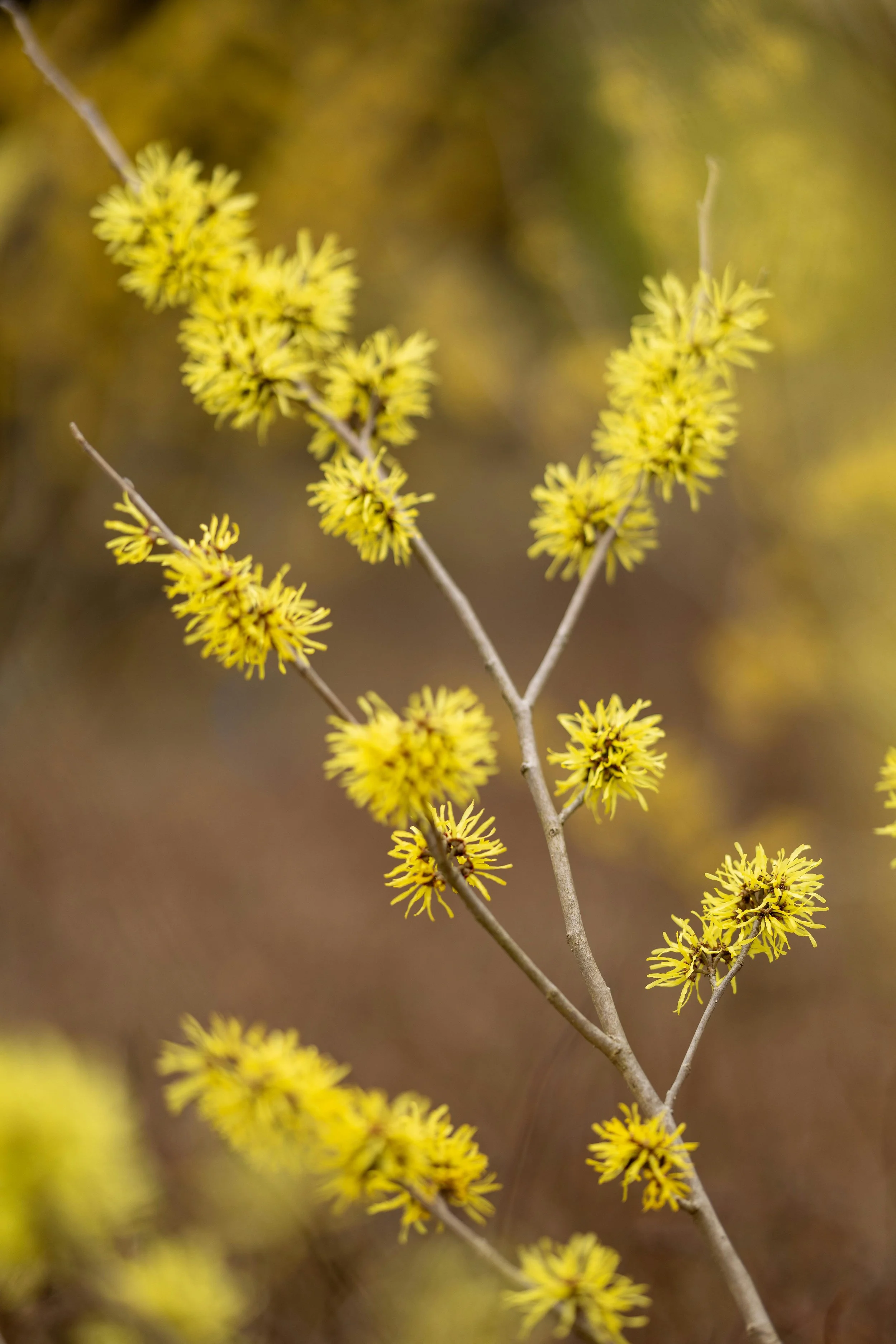
Witch Hazel
Witch hazel is known for its fragrant, ribbon-like flowers that appear on bare branches in mid to late winter. Yellow, orange, and red varieties add unexpected color and scent to the winter landscape.
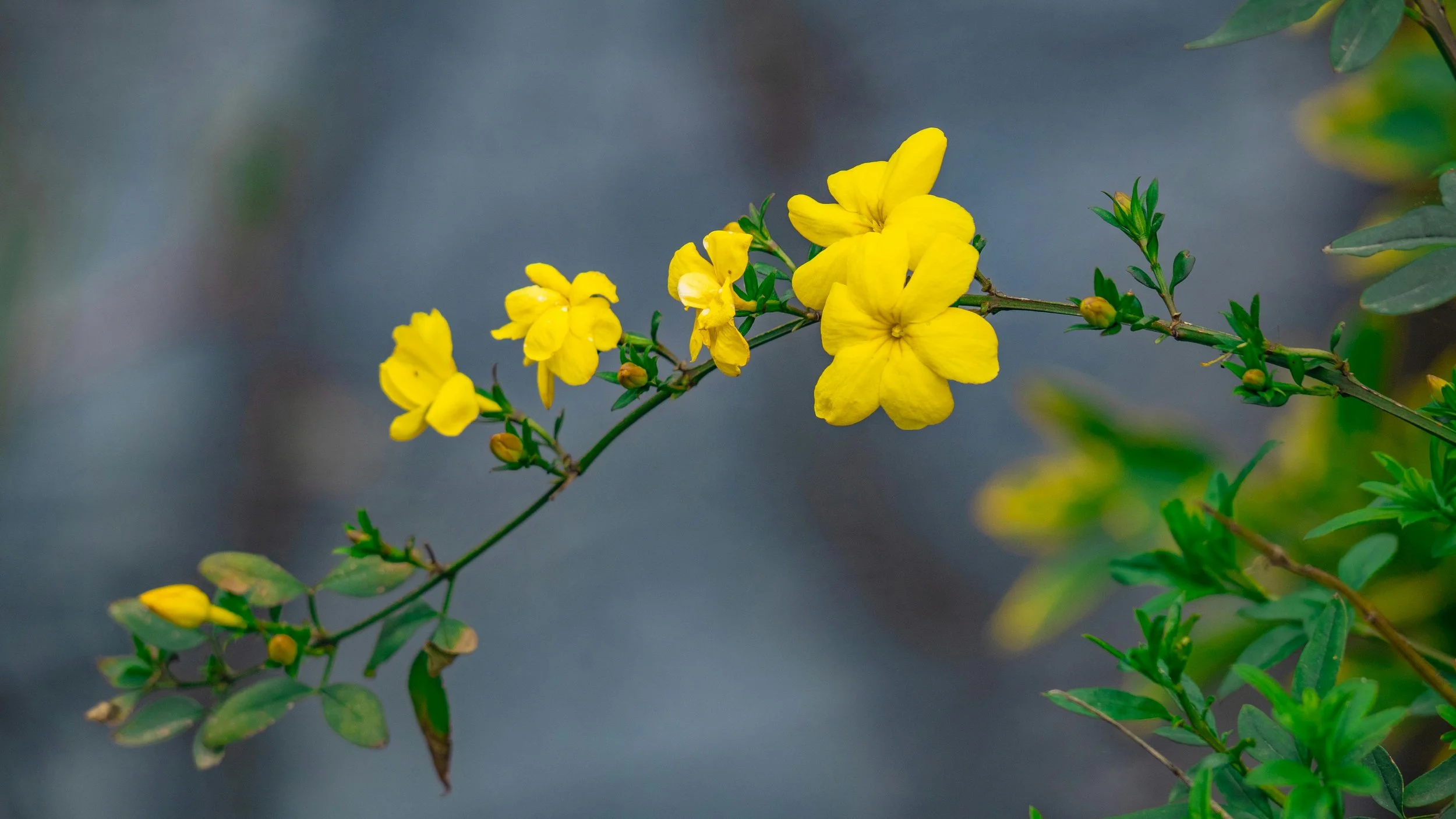
Winter Jasmine
This hardy shrub produces bright yellow flowers along arching green stems from late winter into early spring. While not fragrant, winter jasmine is valued for its cheerful color and ability to bloom during cold months.
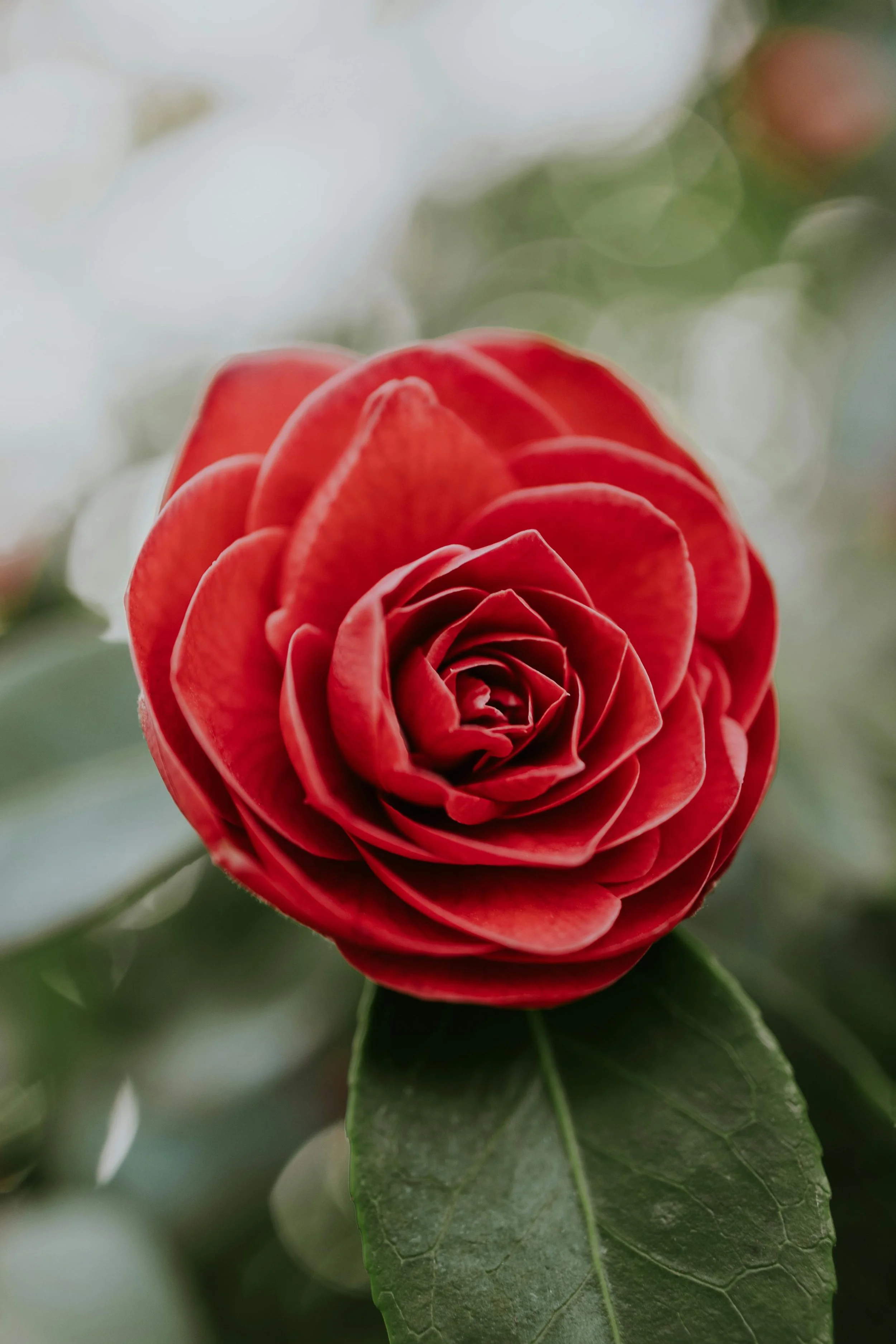
Camellias
Camellias are classic winter-flowering shrubs in warmer climates. Blooming from late fall through early spring, they produce large, rose-like flowers in pink, red, and white. Camellias thrive in partial shade and acidic soil.
Popular Indoor Winter-Blooming Plants
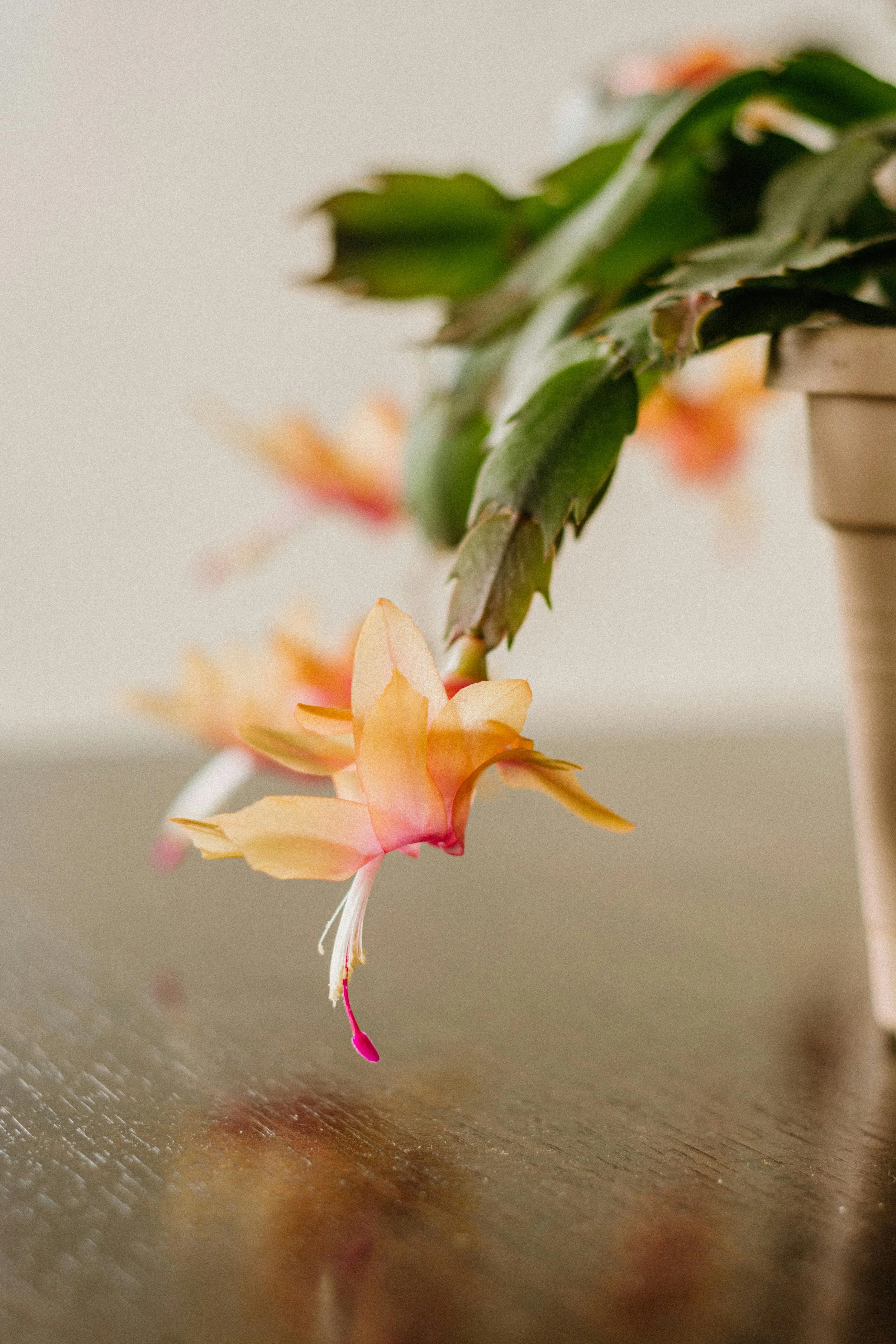
Christmas Cactus
A favorite houseplant, the Christmas cactus blooms in late fall and winter with cascading flowers in pink, red, white, or purple. Its flowering cycle is triggered by cooler temperatures and longer nights.
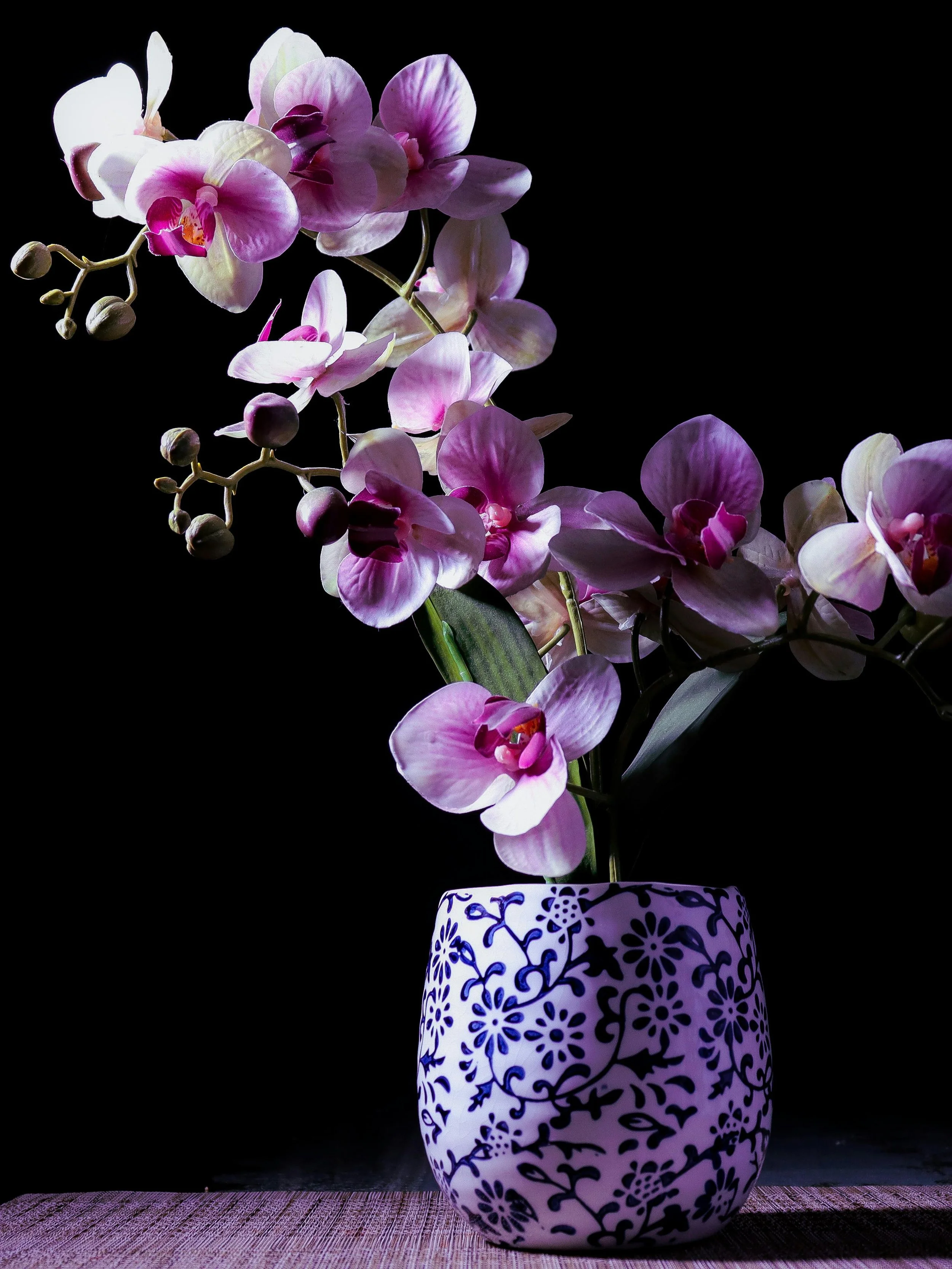
Orchids (Phalaenopsis)
Many moth orchids naturally bloom in winter, producing long-lasting flowers that can remain open for months. They thrive in bright, indirect light and consistent indoor temperatures.
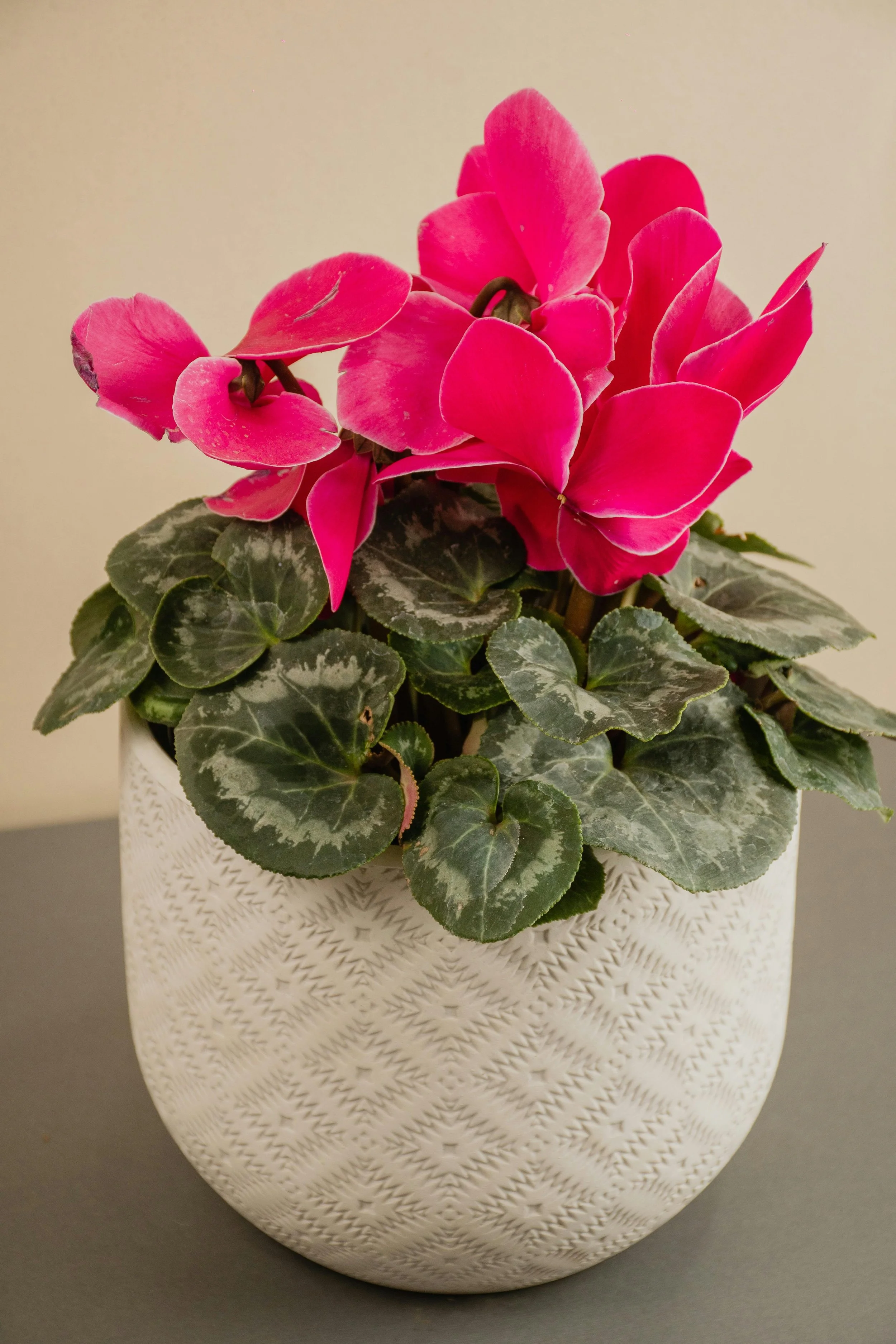
Cyclamen
Cyclamen are well-known winter bloomers, producing delicate, upswept flowers and patterned foliage from fall through early spring. They prefer cooler indoor temperatures and bright light.
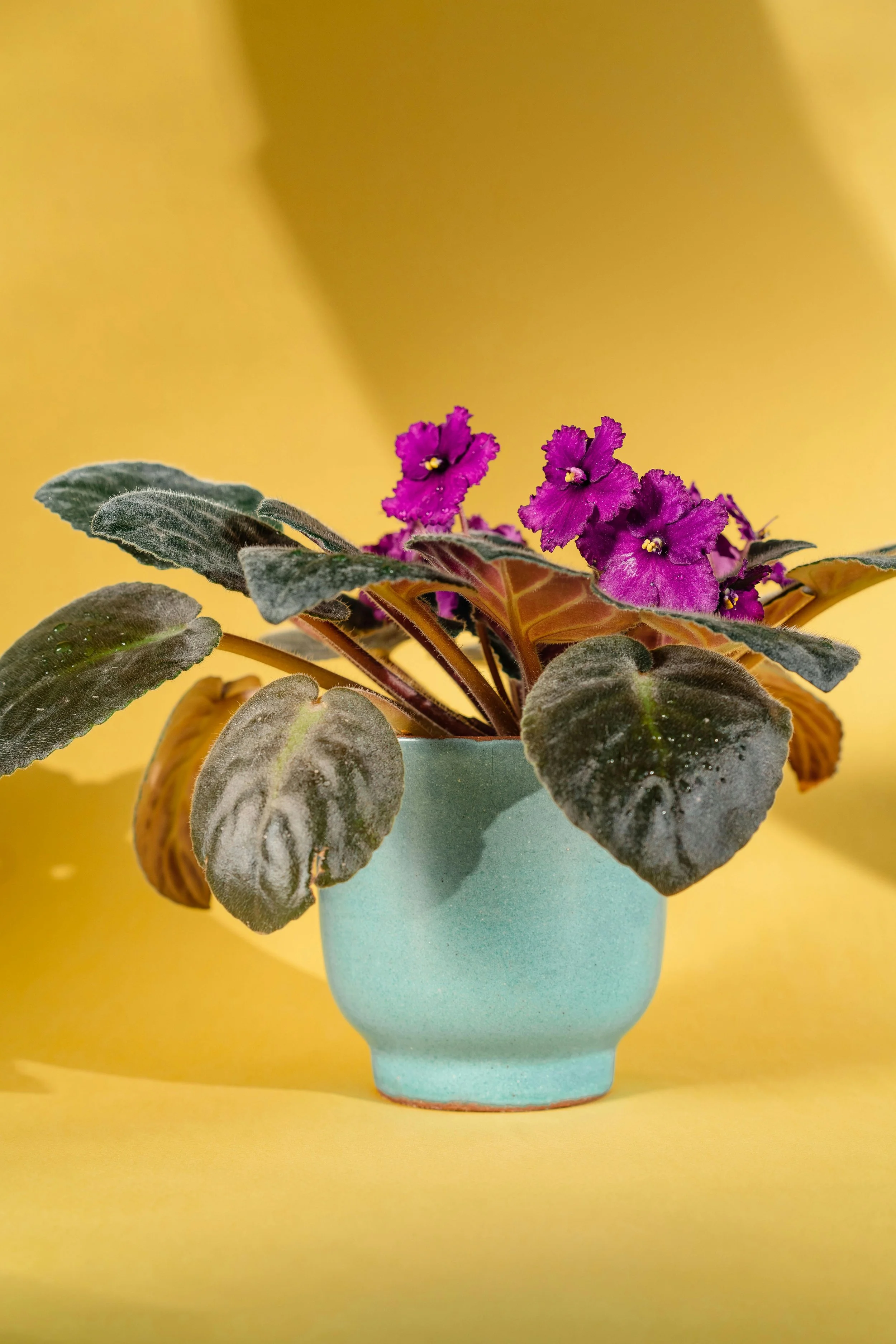
African Violets
With proper care, African violets can bloom year-round, but they often flourish during winter when indoor conditions are stable. Their compact size and vibrant purple, pink, or white flowers make them ideal for small spaces.
Bulbs That Brighten Winter
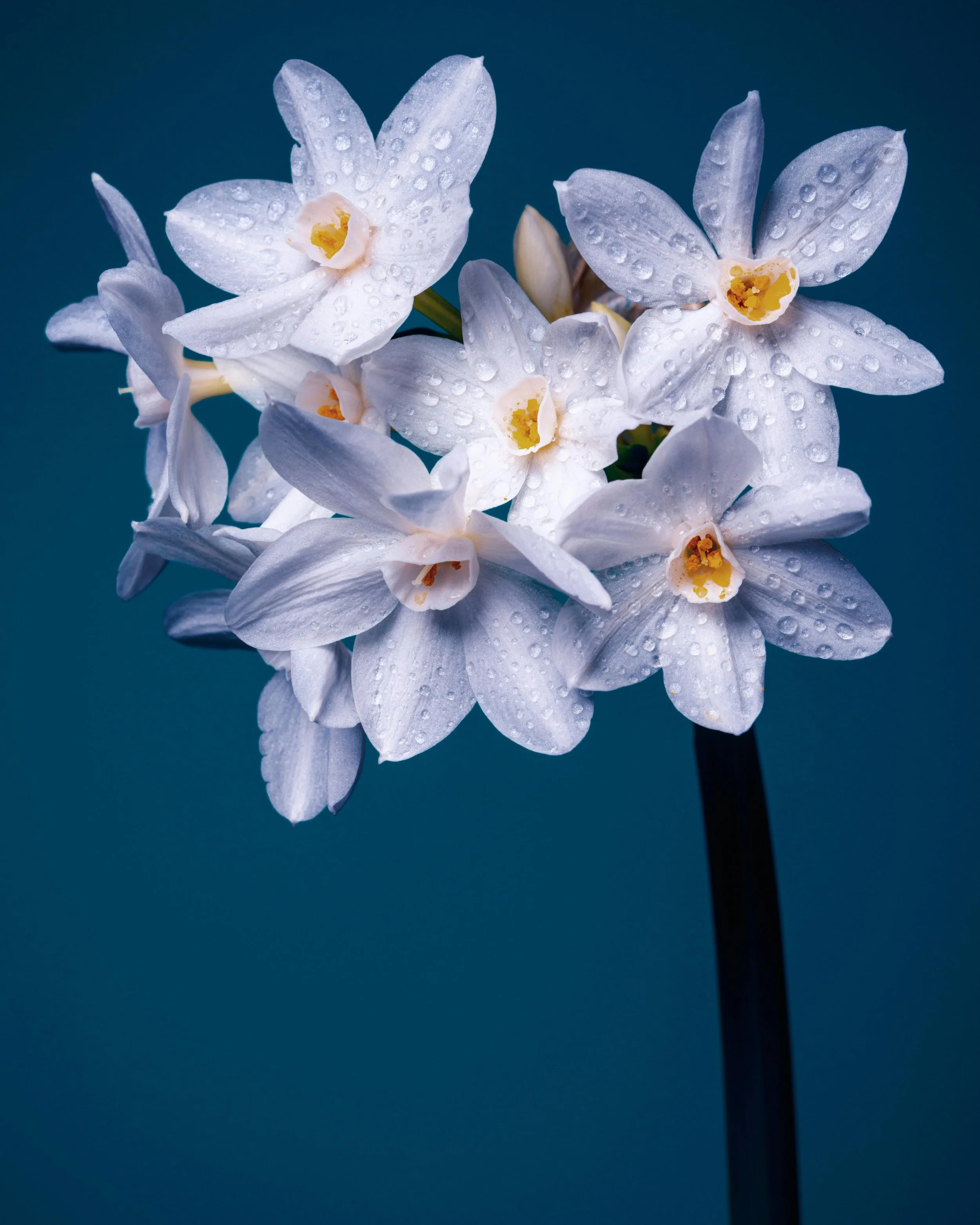
Paperwhites
Paperwhite narcissus bulbs are commonly forced indoors and bloom in mid-winter. Their clusters of white, fragrant flowers are often associated with the holiday season.
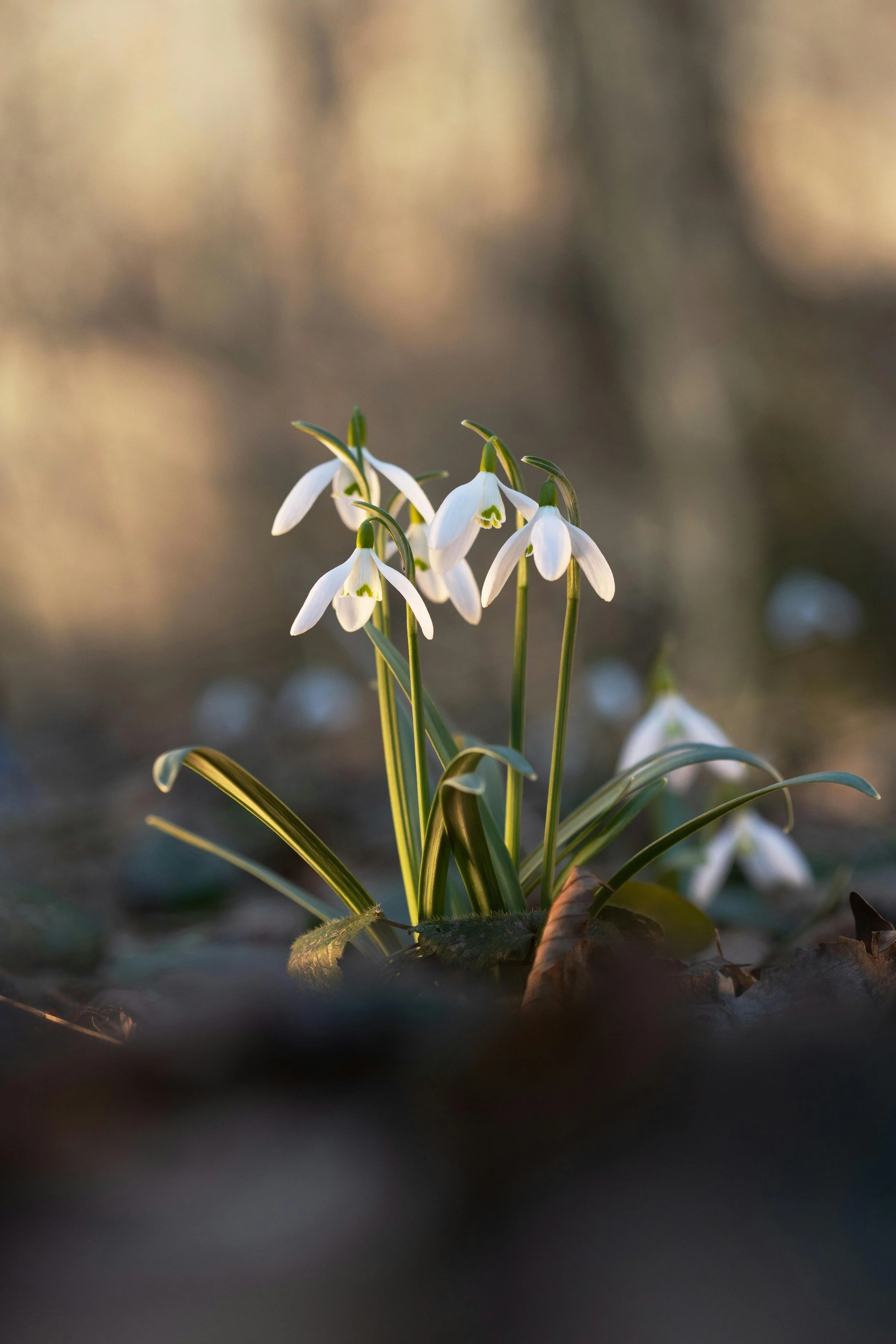
Snowdrops
Snowdrops are among the earliest outdoor bloomers, often appearing in late winter. Their small white flowers signal the approaching end of winter and the start of the growing season.
Embracing Winter Color
Incorporating winter-blooming plants into your home or garden ensures year-round visual interest and reinforces that winter is not an end, but a different phase of growth. Whether it is a hellebore blooming beneath frost or a Christmas cactus lighting up a windowsill, winter flowers remind us that life and beauty persist even in the coldest months.
By selecting plants adapted to winter conditions, gardeners and plant collectors can transform the quietest season into one filled with color, texture, and anticipation for spring.