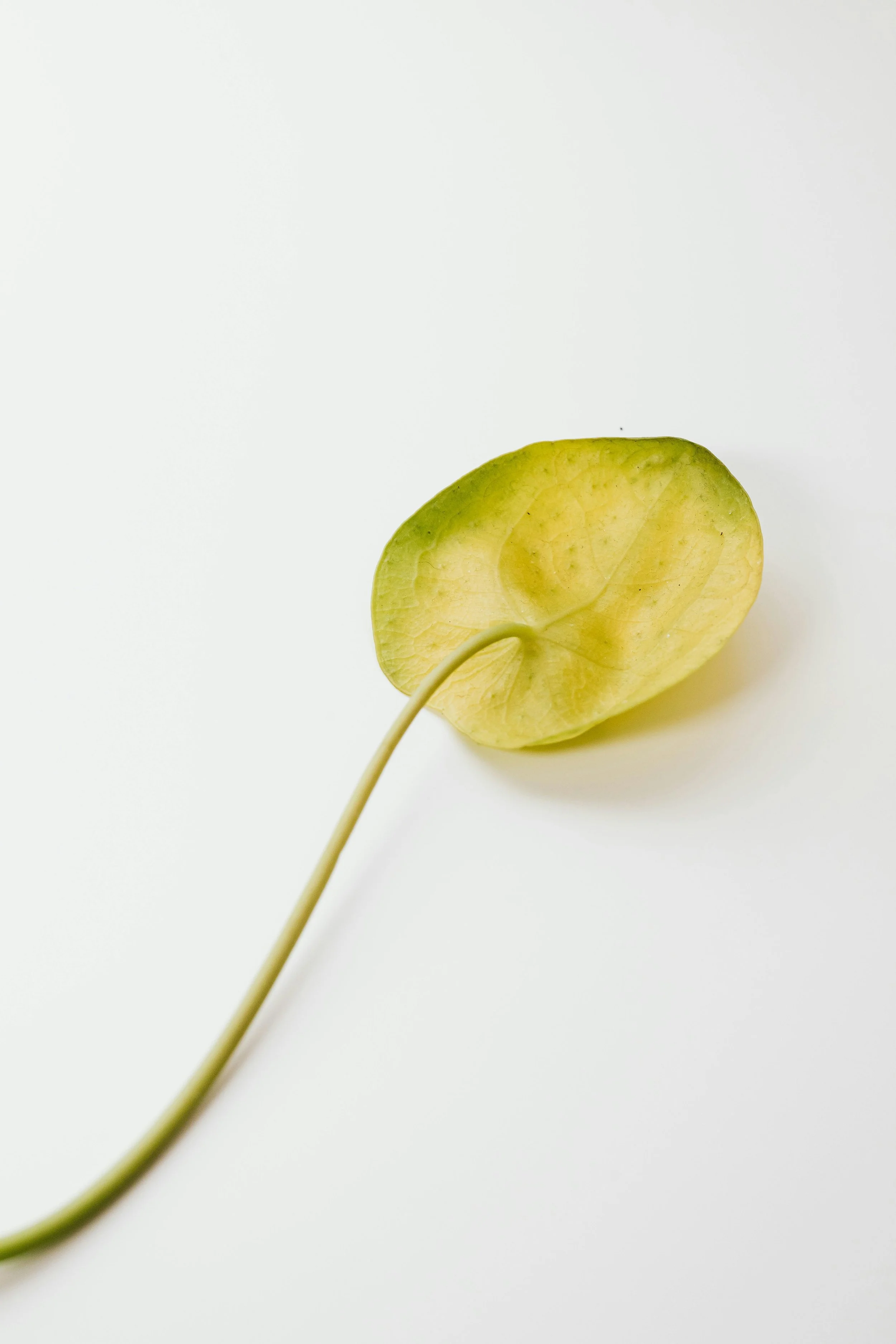

FAQ: What should I do if my plant leaves are turning yellow?
Yellowing leaves are one of the most common signs that a plant is under stress. While an occasional yellow leaf can be part of a plant’s natural growth cycle, widespread or persistent yellowing usually indicates an underlying issue that needs attention. The key is identifying the cause early so you can correct it before more serious damage occurs.
Here are the most common reasons plant leaves turn yellow, and what you can do to fix them.
1. Check Your Watering Habits
Improper watering is the leading cause of yellow leaves. Both overwatering and underwatering can interfere with a plant’s ability to absorb nutrients.
Overwatering often causes leaves to turn yellow and feel soft or limp. Excess moisture can suffocate roots, leading to root rot.
Underwatering typically results in yellowing that starts at the lower leaves, often accompanied by dry, crispy edges.
What to do: Check the soil moisture before watering. Most plants prefer soil that dries slightly between waterings, though this varies by species. Always ensure your pot has drainage holes so excess water can escape.
2. Assess Light Conditions
Light plays a critical role in photosynthesis, and too much or too little can cause leaves to yellow.
Too little light can result in pale or yellow leaves and slow growth.
Too much direct light may scorch leaves, causing yellowing followed by brown, crispy spots.
What to do: Research your plant’s specific light requirements. Move the plant closer to or farther from a window, or supplement with a grow light if natural light is insufficient.
3. Inspect the Soil and Drainage
Soil quality and drainage directly affect root health. Compacted or poorly draining soil can trap moisture and limit oxygen flow to the roots.
What to do: Use a well-draining potting mix appropriate for your plant type. If water sits on the surface or drains very slowly, repotting into fresh soil may be necessary. Gently loosen compacted soil to improve aeration.
4. Consider Nutrient Deficiencies
Yellowing leaves can be a sign that your plant is lacking essential nutrients.
Nitrogen deficiency often causes older leaves to turn yellow.
Iron deficiency typically results in yellow leaves with green veins, especially on new growth.
Magnesium deficiency may cause yellowing along leaf edges.
What to do: Apply a balanced fertilizer designed for your plant type, following the recommended schedule and dosage. Avoid over-fertilizing, as this can cause additional stress or leaf burn.
5. Check for Pests and Disease
Insects and plant diseases can disrupt nutrient uptake and damage foliage.
Common pests include spider mites, aphids, and scale insects.
Fungal diseases such as powdery mildew or root rot may also cause yellowing.
What to do: Inspect the undersides of leaves and stems regularly. If pests are present, treat with insecticidal soap, neem oil, or another appropriate treatment. Remove affected leaves and isolate the plant if necessary to prevent spread.
6. Evaluate Environmental Stress
Plants are sensitive to their surroundings. Sudden changes or harsh conditions can trigger yellowing leaves.
Common stressors include:
Cold drafts or heat vents
Sudden temperature fluctuations
Low humidity, especially indoors during winter
What to do: Place plants in a stable environment with consistent temperature and adequate humidity. Avoid moving plants frequently, and keep them away from drafty windows or heating sources.
7. Prune Yellowing Leaves
Once a leaf has turned yellow, it will not regain its green color.
What to do: Trim yellowing or damaged leaves with clean, sharp scissors or pruners. This helps redirect the plant’s energy toward healthy growth and reduces the risk of disease.
Final Thoughts
Yellow leaves are your plant’s way of signaling that something isn’t quite right. By systematically checking water, light, soil, nutrients, pests, and environmental conditions, you can usually pinpoint the problem and restore your plant’s health. With timely care and a few adjustments, most plants will bounce back and continue to thrive.